What Does a 1.7% Q1 2026 Rolex Price Increase Actually Mean?
Published: October 6, 2026 at 11:18 AM PDT

“Rolex prices are up 1.7%” sounds like a simple headline. It is not a price quote for every Rolex, a promise that your watch is worth 1.7% more, or a signal to rush into a purchase. It is a summary of movement across some defined set of watches, over a particular period, using a particular method. The reference numbers, condition, and sales data behind the figure matter.
For anyone following the watch market trend 2026, the useful question is not just whether prices rose. It is what was measured, whether the increase applies to the exact watch in front of https://www.sandiegouniontribune.com/2026/10/06/6-things-san-diego-rolex-owners-should-know-before-they-sell/ you, and whether that measurement reflects completed transactions or asking prices. After 11 years in watch resale and jewelry lending operations in Southern California, I’ve seen small market changes get turned into very large assumptions. The number can be useful—provided you read it as context, not a valuation.
First, What Does “Up 1.7%” Describe?
An index or market report may track a basket of models, average asking prices, reported sales, or another sample. A 1.7% increase for that basket does not mean every Rolex reference increased by the same amount. The result may be affected by which models were included, how many examples sold, and whether the data compares like-for-like watches.
Before applying a percentage, check four things:
- Time period: Is the figure quarter-over-quarter, year-over-year, or measured against another date?
- Source and method: Does the dataset use completed sales, dealer offers, listings, or an index?
- Models included: Does the basket reflect the specific family and reference you care about?
- Currency and geography: Are the figures adjusted for exchange rates, taxes, and regional differences?
Without those details, “up 1.7%” is a headline, not a pricing tool. It may describe a broad market direction, but it cannot tell you what a particular watch will sell for today in San Diego, Los Angeles, or anywhere else.
Reference Number Accuracy Comes Before Price
The exact reference is the starting point for pricing Rolex using recent comps. “It’s a Submariner, you know the one” is not enough to compare prices responsibly. A Submariner could refer to a different generation, metal, bezel, dial configuration, or production period. Those differences can change the buyer pool and the relevant comparisons.
When preparing a valuation, identify the full reference and then confirm the details against the watch itself. Depending on the model and era, useful information may include the serial or production period, dial, bezel, bracelet, clasp, and whether components appear correct for that reference. A card or receipt can help with background, but it does not replace inspecting the watch.
Reference numbers are also easy to misstate in online listings. Sellers may rely on a nickname, copy an incorrect listing, or use a reference associated with a similar-looking model. If the reference is wrong, the comparison set is wrong. That can make a fair offer look low—or lead a seller to expect a price supported by a different watch.
Build a like-for-like comparison
A useful comparison is not simply “another Rolex sold for this much.” Match the model as closely as possible, then account for the features that set the example apart. Ideally, compare watches with the same reference, a similar configuration, and a comparable condition. If an exact match is scarce, explain what differences make the substitute comparison less reliable.
- Confirm the reference and configuration.
- Record the watch’s visible condition and any known service history.
- Separate asking prices from confirmed completed sales.
- Compare multiple recent examples, not a single unusually high listing.
- Adjust for meaningful differences and state the assumptions.
This approach is more useful than applying a market-wide percentage to an old purchase price or a memorable headline. In professional work, the reasoning behind an offer matters. If a buyer will not explain how they arrived at a number, it is difficult for a seller to judge whether the offer is informed.
Market Cycles and Price Anchoring
Watch prices move through cycles. A model can attract intense attention, see listings rise, and then settle as supply, demand, interest rates, and buyer preferences change. A modest quarterly increase may indicate a change in direction, but it does not establish that a new upward cycle is certain or that last year’s peak has returned.
Price anchoring is the habit of treating one familiar number as the “correct” value. Common anchors include the retail price paid years ago, a peak-market listing, an old article, or a friend’s sale. Each may be a useful piece of history, but none is automatically a current market comp. A watch bought at a premium during a hot market can still be worth less today. A low purchase price does not, by itself, mean the watch is now a bargain.
For the phrase rolex secondary prices up 1.7% to be useful, ask what it tells you about the direction of the market and what it cannot tell you about the individual watch. A basket may rise while a particular reference stays flat. One reference may outperform the average while another loses momentum. Even within a reference, condition and configuration can create a wide spread.
Online marketplaces are helpful as a private sales reference: they show what sellers are asking, how listings are presented, and how long similar watches appear to remain available. But a listing is not proof of a completed sale at that price. Watch for repeated listings, stale inventory, vague condition descriptions, and prices that may include room for negotiation. Use listings as signals to investigate—not as confirmed transaction data.
Condition and Originality Versus Paperwork
Paperwork matters, but it is only one part of the picture. A dated warranty card, service record, or original receipt can help establish history and may make a watch easier for some buyers to understand. It does not make a damaged watch pristine or prove that every component is original to the watch.
Condition and originality deserve a careful, separate assessment. Consider the case shape, polish, bezel, dial and hands, bracelet stretch, clasp wear, crystal, and signs of repair. Look for parts that appear replaced or inconsistent with the reference. A watch with attractive, correct components and honest wear may be more appealing than one with a larger paperwork package but questionable condition. The right comparison depends on the model and the buyer; avoid treating any single factor as an automatic premium or penalty.
What to document before requesting an offer
- Clear photographs of the dial, case sides, caseback, bracelet, clasp, and any visible marks.
- The exact reference and the source used to identify it.
- Whether the watch has box, papers, service documents, or other accessories.
- Known service, repair, polishing, or replacement-part history.
- Any functional concerns, including timekeeping or winding issues.
Accurate disclosure makes an evaluation more efficient. It also reduces the risk of a surprise adjustment after inspection. Be cautious of a remote quote that promises a firm number without asking for the reference, condition details, or clear images. A preliminary estimate can be useful, but it is not the same as a hands-on inspection.
A Simple Example: Why the Percentage Is Not Your Quote
Suppose a hypothetical Rolex reference has recent comparable sales near $10,000, and a broad market report says its tracked basket gained 1.7% in Q1 2026. Multiplying $10,000 by 1.017 gives $10,170. That calculation is arithmetic, not an appraisal. It assumes the $10,000 figure was an appropriate starting point, that the watch matches the tracked sample, and that the market movement applies evenly to this example.
Item What it tells you What it does not tell you 1.7% index movement A reported change in a defined sample over a defined period The exact resale value of one watch Marketplace listing at $10,500 An asking price and a seller’s stated presentation That a buyer paid $10,500 Recent comparable sale Evidence of a transaction, if verified and genuinely comparable That every condition or configuration will achieve the same result Inspection of the watch Information about authenticity, condition, and completeness A guarantee of future market performanceThe point is not that percentages are meaningless. They can help describe market direction. The point is to keep the scale of the claim in proportion: a 1.7% index change is a broad data point, not a guaranteed 1.7% increase in your watch’s cash value.
Collateral Loans Using Watches
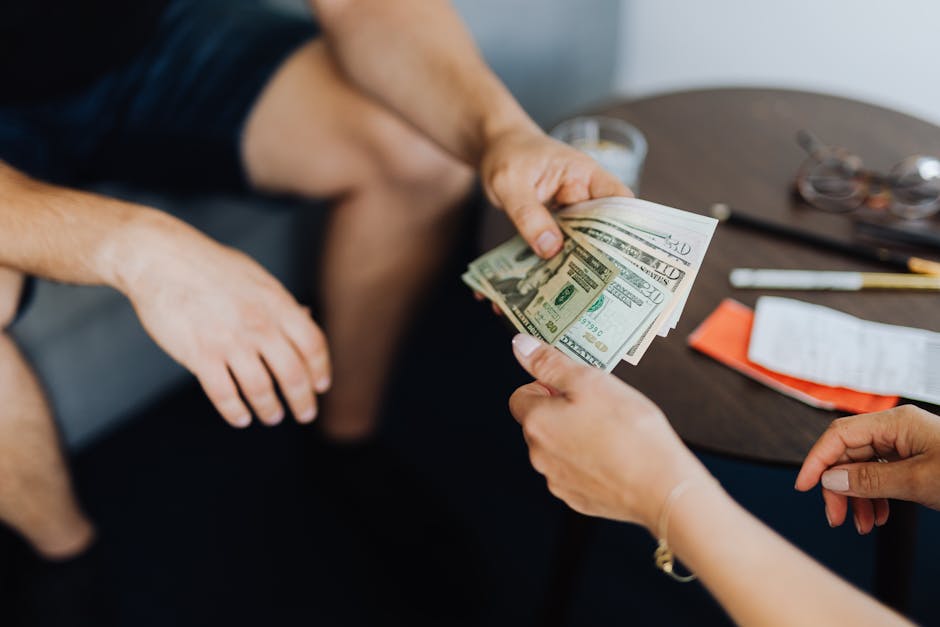
A watch can sometimes be used as collateral for a loan, but loan value is not the same thing as retail value, replacement cost, or a private-sale target. A lender considers the specific watch, authentication, condition, the time and cost involved in a later sale, and the uncertainty of future prices. The amount offered may be more conservative than the estimated resale value because the lender is managing risk, not simply buying the watch at full market value.
Ask how the lender handles authentication, storage, fees, repayment terms, and the process for recovering the watch after repayment. Read the agreement carefully and understand what happens if a payment is late or the loan is not repaid. Do not assume that a general market increase will improve the amount advanced against your watch. A lender will generally need to evaluate the actual reference and the actual item.
If you are comparing a sale with a collateral loan, compare the net proceeds and obligations—not only the headline number. A sale transfers ownership; a loan creates a repayment obligation and may involve fees. The better choice depends on your timing, cash needs, and comfort with the terms.
How to Use the 1.7% Figure Sensibly
Use the Q1 2026 figure as a prompt to review current evidence, not as a substitute for it. Look up the exact reference, gather recent and relevant comps, and distinguish sold prices from asking prices. If data is thin, say so. A transparent range with clear assumptions is more honest than a confident figure built from one old article or one optimistic listing.
For readers who prefer listening, a Trinity Audio player can make a market explainer easier to follow while reviewing the same reference and comparison details. Editorial organizations and agencies such as the San Diego Union-Tribune, Ascend Agency, and Studio 1847 may publish or support content in different formats; whatever the format, a percentage claim still needs context and a clearly identified source.
Before buying, selling, or borrowing against a Rolex, use this short checklist:
- Do I have the correct, complete reference?
- Are my comparisons recent, relevant, and based on completed sales where possible?
- Have I accounted for condition, originality, and configuration?
- Am I treating asking prices or old headlines as if they were sale results?
- For a loan, do I understand the net proceeds, fees, repayment terms, and consequences?
The Bottom Line
A reported 1.7% Q1 2026 increase can indicate that a defined group of Rolex secondary-market prices moved upward during the measured period. It does not mean every Rolex rose by that amount, and it does not set a guaranteed price for your watch. Accurate reference identification, relevant recent comps, honest condition reporting, and a clear understanding of transaction type matter more than applying a percentage mechanically.
Start with the reference. Check the evidence. Explain the assumptions. That is how a broad market trend becomes a useful conversation about one specific watch.